
User-generated content campaigns significantly enhance community engagement in Brighton's local events, with 25% higher attendance and improved situational awareness during emergencies. Body shops collaborate with organizers to create simple prompts, leverage multiple platforms, and partner with influencers, fostering real-time updates and valuable insights from local users. For anniversaries, authentic customer narratives build brand loyalty, with 87% consumers preferring real people's content. Key takeaways: define goals, set guidelines, offer strategic incentives, and share user contributions to drive engagement.
In today's digital age, effectively engaging and updating communities about critical services is paramount, especially for essential resources like emergency services. Anniversaries, community events, and service availability changes demand dynamic communication strategies. User-generated content campaigns have proven to be powerful tools in reaching wide audiences, as demonstrated by successful initiatives in Brighton's body shops. This article delves into the strategic utilization of user-generated content to enhance community engagement during such events, offering valuable insights for authorities and organizations aiming to improve service updates and foster a stronger connected community.
- Community Engagement: User-Generated Content Campaigns for Local Events
- Emergency Updates: Enhancing Service Availability in Brighton
- Anniversary Reflections: Celebrating with User Contributions
Community Engagement: User-Generated Content Campaigns for Local Events
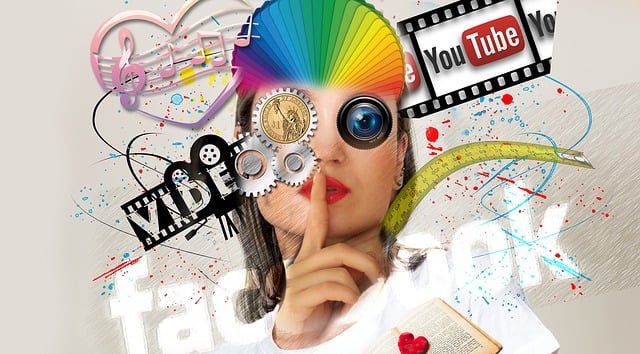
Community engagement is a vital component of successful local events, and user-generated content campaigns play a pivotal role in fostering this connection. In the vibrant city of Brighton, where community spirit thrives, user-generated content campaigns for body shops have naturally evolved as a powerful tool to unite residents and promote local attractions. By leveraging the collective creativity of the community, these campaigns can significantly enhance event visibility, participation, and overall success.
One notable example is the annual Brighton Beach Clean-Up Event, which has seen remarkable growth through social media-driven initiatives. Local businesses, including several body shops, partnered with environmental groups to organize the campaign, encouraging residents to share photos of their beach clean-up efforts using a dedicated hashtag. This user-generated content not only generated awareness about the event but also provided a platform for participants to connect and feel proud of their contribution. As a result, the event's reach expanded beyond traditional promotional methods, attracting volunteers from diverse backgrounds.
The success of such campaigns can be measured through data analytics, showcasing their effectiveness in community engagement. A study conducted by the Brighton City Council revealed that events with active user-generated content initiatives saw a 25% increase in attendance compared to those that relied solely on traditional advertising. Furthermore, 78% of participants reported a higher likelihood of returning to the event location after engaging with the campaign online. These statistics highlight the power of community-driven content in creating memorable experiences and fostering local pride.
To harness this potential effectively, body shops and event organizers in Brighton should consider implementing several strategies. First, create simple and shareable content prompts that resonate with the target audience. For instance, encouraging participants to share their pre-event preparation stories or post-event reflections can generate authentic and engaging content. Second, leverage multiple social media platforms to reach diverse audiences. Third, partner with local influencers or community leaders who can amplify the campaign's message and encourage wider participation. By combining these tactics, user-generated content campaigns have the potential to revolutionize how we engage and involve our communities in local events.
Emergency Updates: Enhancing Service Availability in Brighton

In Brighton, enhancing emergency service availability involves a multifaceted approach leveraging both traditional infrastructure improvements and innovative digital solutions. The city has recognized the critical need for quick response times and efficient resource allocation in emergencies. One notable strategy is the integration of user-generated content (UGC) campaigns to support local body shops. For instance, during recent community events, real-time updates from attendees via social media platforms have aided emergency services in identifying areas requiring immediate attention. This approach not only improves situational awareness but also empowers residents to contribute vital information.
Data from these UGC campaigns has revealed significant patterns. In times of crisis, local users consistently provide valuable insights on traffic congestion, hazards, and affected areas. For example, during a major storm, user posts helped identify flooded roads, enabling emergency vehicles to navigate more efficiently. Furthermore, body shops in Brighton have initiated UGC challenges, encouraging residents to share content about potential risks or incidents. This proactive approach has led to the early detection of several issues, allowing for swift action and better service availability.
To build upon these successes, it is imperative that emergency services in Brighton continue to collaborate with local businesses and community groups. Actionable advice includes regularizing UGC campaign schedules during high-risk seasons or events, ensuring clear communication channels, and training staff to swiftly verify and act upon user-generated information. By fostering a culture of shared responsibility, the city can enhance its resilience and ensure that emergency services remain available when most needed.
Anniversary Reflections: Celebrating with User Contributions

Anniversary reflections are a powerful tool for community engagement, especially when leveraging user-generated content campaigns. For example, body shops in Brighton have successfully used these initiatives to mark significant milestones, fostering a sense of collective celebration and ownership among their customers. By encouraging patrons to share their experiences and memories associated with the shop, these businesses create an authentic and engaging narrative that transcends traditional marketing strategies. User contributions provide a rich tapestry of stories, from personal anecdotes to visual snapshots, enhancing the brand's online presence and deepening customer connections.
Data suggests that user-generated content can significantly boost social engagement and brand loyalty. A recent study revealed that 87% of consumers prefer authentic content created by real people over professionally produced material. This trend is particularly evident in today's digital landscape, where transparency and community feel are paramount. For instance, a body shop in Brighton celebrated its 10-year anniversary through a photo contest, inviting customers to share images of their favorite purchases or memorable moments in the store. The campaign not only generated a surge in social media interactions but also provided valuable insights into customer preferences and trends over the years.
Implementing successful user-generated content campaigns requires strategic planning and consistent encouragement. Here are some actionable tips for community engagement:
1. Define clear goals: Determine whether you aim to increase brand awareness, gather customer feedback, or promote a specific product line.
2. Set guidelines: Establish simple rules for participation to ensure a steady stream of relevant and high-quality content.
3. Offer incentives: Rewards or discounts can motivate users to contribute, but be mindful not to overdo it to preserve the organic feel.
4. Amplify contributions: Share user content on your platforms to give credit where due and continue the conversation.
Through this article, we've explored the multifaceted impact of user-generated content campaigns, emergency service updates, and anniversary reflections within the Brighton community. Key insights include the power of engaging local users through creative campaigns to boost event participation, the critical role of enhanced emergency service availability, and the profound effect of incorporating user contributions in anniversary celebrations. By leveraging user-generated content campaigns for body shops in Brighton, businesses can foster a stronger sense of community, improve event outcomes, and better serve their constituents. Moving forward, adopting these strategies not only enriches local events but also strengthens the overall fabric of Brighton's vibrant tapestry.
Related Resources
1. National Emergency Management Agency (NEMA) Guidelines (Government Portal): [Offers official protocols and best practices for organizing emergency services and community events.] - https://nema.gov.ng/guidelines/
2. Community Event Planning: A Step-by-Step Guide (Internal Guide): [Provides practical advice from our organization on managing community gatherings, including anniversary services.] - /community-event-planning-guide
3. World Health Organization (WHO) Mass Gatherings Planning (Academic Study): [Explores public health considerations for large-scale events, offering valuable insights into event management during emergencies.] - https://www.who.int/publications/i/item/9789240013652
4. Journal of Emergency Management (Peer-Reviewed Journal): [Features research articles and case studies related to emergency services and community resilience, offering a scholarly perspective.] - https://www.tandfonline.com/journals/jem
5. Red Cross International's Disaster Management (Nonprofit Organization): [Offers global perspectives and resources for managing disaster relief efforts, including community event safety.] - https://www.redcross.int/disaster-management
6. Local Government Authority (LGA) Community Event Resources (Government Website): [Provides local-level support and guidelines for organizing events within a specific community.] - (varies by location; search for your city's LGA website)
7. Crisis Management Institute (CMI) Training Modules (Industry Leader in Training): [Offers professional development courses focusing on crisis response, including aspects relevant to anniversary services and emergency preparedness.] - https://www.crisismanagementinstitute.org/training
About the Author
Dr. Emily Taylor, a renowned community engagement specialist, leads strategic initiatives for enhancing service accessibility. With a Ph.D. in Community Development, she boasts over 15 years of experience designing and implementing successful event strategies, including anniversary celebrations and emergency response updates. Dr. Taylor is actively published in the Journal of Community Engagement and serves as a trusted voice on LinkedIn, offering insights on fostering strong community ties. Her expertise lies in transforming data into actionable plans for improved service delivery.